Presupuestos
How to Write a Professional Painting Estimate (2026)
Learn how to write a painting estimate that wins jobs: calculate square footage, materials, labor, sales tax, and send a client-ready PDF.
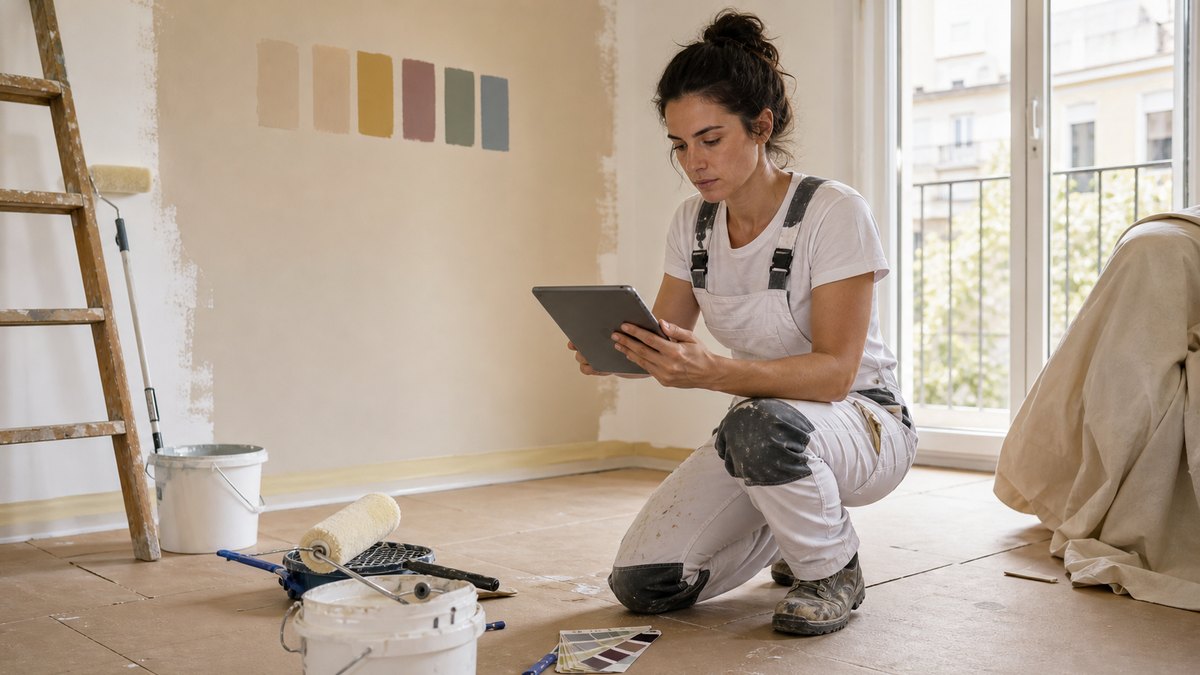
A painting estimate isn't just a number — it's your first impression. A clear, itemized estimate with a professional PDF and an easy way to sign shows clients they're hiring someone serious. This guide walks you through exactly how to calculate square footage, price materials, set your labor rate, and deliver an estimate that closes jobs.
Why a detailed estimate wins more jobs
Homeowners asking for three quotes aren't always picking the cheapest. They're picking the painter who makes them feel most confident. A single-line quote — "Paint living room: $450" — creates anxiety. What's included? What's the paint brand? What if I want the ceiling done too?
An itemized estimate answers those questions before they're asked. It also protects you: if the client asks for an extra bedroom after you start, you have a signed document showing what was included in the original price.
How to calculate square footage for painting
Never estimate from floor plan square footage. Paintable area is wall and ceiling surface — not floor space.
Walls
Measure the perimeter of the room (add up all wall widths) and multiply by the ceiling height. Then subtract doors and windows.
Formula: Perimeter (ft) × Height (ft) − Door and window area (sq ft) = Paintable wall area
Example: Room 14 ft × 11 ft, 9 ft ceilings, one door (21 sq ft), two windows (15 sq ft each): Perimeter = (14+11+14+11) = 50 ft Raw wall area = 50 × 9 = 450 sq ft Subtract openings = 21 + 15 + 15 = 51 sq ft Paintable walls = 399 sq ft
Ceiling
Length × Width = ceiling area. For the example above: 14 × 11 = 154 sq ft.
Total paintable area
399 + 154 = 553 sq ft
Add a waste factor
Add 10% for corners, edges, and uneven surfaces. 553 × 1.10 = 608 sq ft to use for material calculations.
Line items every painting estimate needs
1. Surface preparation
- Filling holes and cracks with spackling
- Sanding rough patches
- Cleaning greasy or dirty surfaces
- Taping baseboards, trim, and window frames
- Laying drop cloths over floors and furniture
2. Primer (if needed)
- New drywall or plaster — always needs primer
- Big color change (dark to light or vice versa)
- Water stains or smoke damage
- Fresh spackling repairs
3. Paint application
- First coat — specify paint brand and finish (flat, eggshell, satin, semi-gloss)
- Second coat — standard for professional work
- Cut-in work (edges, corners, trim lines) vs. roller work — some contractors price these separately
4. Materials
- Paint (gallons needed)
- Primer if required
- Painter's tape, drop cloths, rollers, brushes
- Spackling, sandpaper
5. Trim and doors (separate line item)
- Baseboards per linear foot
- Doors per door (each side)
- Window casings per window
6. Cleanup and final walkthrough
- Removing tape and drop cloths
- Basic cleanup of the work area
- Touch-up after client inspection
Painting labor rates in the US (2026)
| Type of work | Low end | Mid range | High end |
|---|---|---|---|
| Interior walls (per sq ft, labor only) | $1.50 | $3.50 | $6.00 |
| Interior ceiling (per sq ft, labor only) | $2.00 | $4.00 | $7.00 |
| Interior door (per door, both sides) | $50 | $100 | $175 |
| Baseboard trim (per linear foot) | $1.50 | $3.00 | $5.00 |
| Exterior siding (per sq ft) | $1.50 | $3.50 | $6.00 |
| Painter hourly rate | $25/hr | $45/hr | $75/hr |
Rates vary significantly by region. New York, California, and Seattle run 30–50% above these averages. Rural Midwest and South run below.
Hourly vs. per-square-foot pricing
Most experienced painters price by the job rather than the hour — clients prefer knowing the total upfront, and you protect yourself if prep work takes longer than expected. If a client insists on hourly, add a 20–30% buffer to your normal rate to cover uncertainty.
How to price materials for a painting estimate
Paint quantity
Most interior paints cover 350–400 sq ft per gallon per coat. For 2 coats on 608 sq ft: 608 sq ft ÷ 375 sq ft/gallon × 2 coats = 3.24 gallons → round up to 4 gallons
Paint cost by quality level
| Paint quality | Price per gallon | Notes |
|---|---|---|
| Budget (Behr, Glidden) | $25–$40 | Fine for rentals and flips |
| Mid-range (Sherwin-Williams SuperPaint) | $55–$75 | Most popular for residential |
| Premium (Benjamin Moore Aura, SW Emerald) | $75–$100+ | Better coverage, often one-coat |
Supplies
Budget $30–$60 per room for painter's tape, rollers, drop cloths, brushes, and tray. Include this as a line item — many painters absorb it, then wonder why their margins are thin.
Markup on materials
Charge materials at retail plus 15–25% markup. You're sourcing, transporting, and managing the materials — that's worth something. Clients buying their own paint is rarely worth the hassle; include a note in your estimate that you supply paint or subtract materials from the total if they prefer to purchase.
Sales tax on painting jobs
This is where many painting contractors make expensive mistakes. Rules vary dramatically by state:
| State | Tax on labor? | Tax on materials? | Notes |
|---|---|---|---|
| Texas | Yes | Yes | Full service taxable |
| Florida | No | Yes | Materials taxable, labor exempt |
| California | No | Yes (use tax) | Contractors pay use tax on materials consumed |
| New York | No (residential) | Yes | Residential painting labor generally exempt |
| Illinois | No | Yes | Materials taxable |
Sales tax rules vary by state, local rules, and job type. Confirm the correct treatment for your business. If you work in multiple states, keep state-specific templates in your estimating software.
Full example: Painting estimate for a 12×14 bedroom
Room 14 ft × 12 ft, 9 ft ceilings, 2 windows, 1 door. Client wants walls and ceiling painted in agreeable gray, existing paint in good condition (no primer needed). Texas location (8.25% sales tax on full amount).
| Line Item | Qty | Unit | Unit Price | Total |
|---|---|---|---|---|
| Surface prep (tape, drop cloths, patch minor holes) | 1 | lot | $65.00 | $65.00 |
| Interior wall painting — 2 coats (399 sq ft) | 399 | sq ft | $3.50 | $1,396.50 |
| Ceiling painting — 2 coats (168 sq ft) | 168 | sq ft | $4.00 | $672.00 |
| Paint — Sherwin-Williams SuperPaint (4 gal) | 4 | gallon | $68.00 | $272.00 |
| Supplies (tape, rollers, brushes, drop cloths) | 1 | lot | $45.00 | $45.00 |
| Final cleanup and touch-up walkthrough | 1 | lot | $40.00 | $40.00 |
| Subtotal | $2,490.50 | |||
| Sales tax 8.25% (Texas) | $205.47 | |||
| TOTAL | $2,695.97 |
Payment terms on this estimate
30% deposit before work begins · 70% due upon completion · Estimate valid 30 days
Common painting estimating mistakes
1. Estimating from floor area instead of wall area
A 200 sq ft room has about 500–600 sq ft of paintable surface. Using floor area consistently underprices the job.
2. Not measuring in person
Phone quotes based on the client's room description are almost always wrong. A 5-minute site visit prevents a $300 mistake.
3. Forgetting prep time
Prep — taping, patching, sanding — can take as long as the painting itself. If the existing paint is peeling or there are multiple colors to cover, add a separate prep line item and price it accordingly.
4. Underpricing trim
Baseboards, door frames, and window casings take time and precision. Many painters forget to price trim separately and end up working for free on the most tedious part of the job.
5. No deposit requirement
Always collect a deposit. It confirms commitment, covers material costs, and protects you if a client cancels after you've blocked the dates on your schedule.
6. Sending a text or email quote instead of a document
A text message isn't a contract. A signed PDF estimate is. If there's ever a dispute, you need a document with both parties' agreement to the scope and price.
How to send a professional PDF estimate your client can sign
The best painting estimates are digital, include your logo and business info, list every line item clearly, and give the client a one-click way to approve and sign.
With Presupix, you can build a painting estimate in under 10 minutes from your phone — add line items, set your tax rate, include payment terms, and send a link. Your client opens a professional PDF, reviews the estimate clearly. You see exactly when they opened it.
Create your first painting estimate free — no card required →
Frequently asked questions
How much does it cost to paint a room in the US?
The average cost to paint a room in the US in 2026 is $300–$800 including labor and materials. Labor alone runs $1.50–$6 per square foot for interior walls. A 12×12 room with 9-foot ceilings typically costs $400–$700 for a professional painter.
What should a painting estimate include?
A professional painting estimate should include square footage to be painted, number of coats, paint brand and finish, surface prep work, labor cost, materials cost, applicable sales tax treatment, payment terms, and a timeline. The more detail you include, the fewer disputes you'll have.
How do you calculate a painting quote?
Measure paintable surface area (walls and ceiling separately), multiply by your labor rate per square foot, add materials at retail plus markup, add overhead and profit margin, then apply sales tax only after confirming the correct treatment for your business.
Do painters charge sales tax?
Sales tax rules vary by state, local rules, and job type. Confirm the correct treatment for your business before sending the estimate.
How do I get clients to accept my estimate faster?
Make it easy to say yes. Send a client-ready PDF rather than asking them to print, sign, and scan. Add a deposit option directly in the estimate. Set an expiration date (typically 30 days) to create urgency without pressure.
Should I itemize or give a flat price?
Itemized estimates win more jobs at higher prices. Clients trust painters who show their work. A flat price invite comparison shopping; an itemized estimate shows what they're actually getting for the money.